Insights & Knowledge Center
APAR Knowledge
Fire Extinguisher Types and Fire Classes Explained
The wrong extinguisher can make firefighting ineffective, or dangerous. Learn the fire classes and the agents that match them.
5 min read · 03 Nov 2026 · Tim Teknis Jaslindo
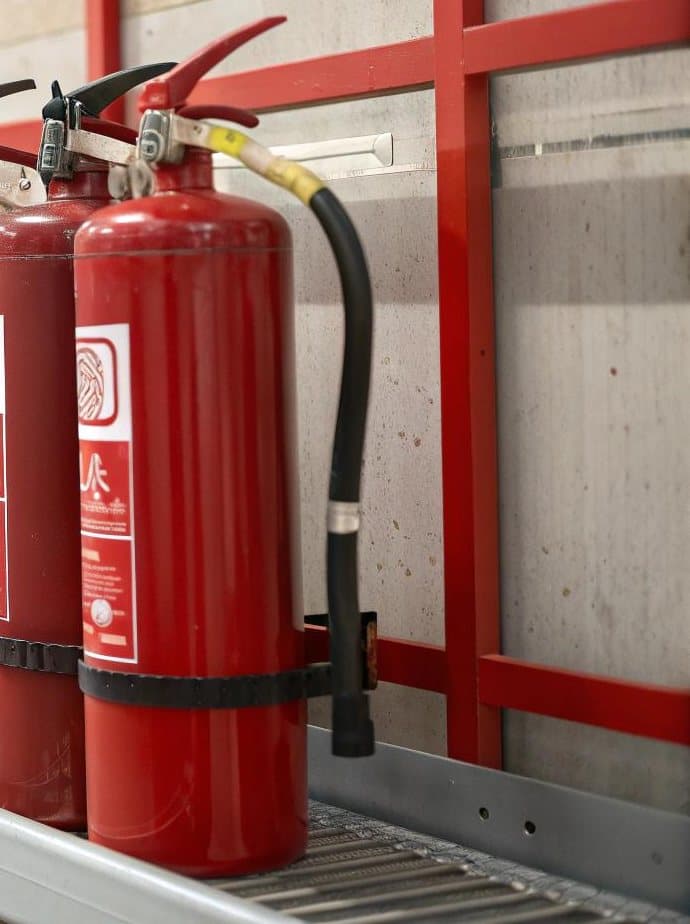
A fire extinguisher (APAR) is the first line of defence while a fire is still small. How well it works depends on one thing: matching the agent to what is burning.
Fire classes used in Indonesia
- Class A: ordinary combustible solids: wood, paper, fabric, plastics.
- Class B: flammable liquids and gases: petrol, diesel, paint, LPG.
- Class C: fires involving energised electrical installations.
- Class D: combustible metals such as magnesium and aluminium powder.
Common extinguishing agents
- Dry chemical powder (ABC): versatile for classes A, B and C; widely used in warehouses, offices and vehicles.
- CO2: leaves no residue; suits electrical panels and electronics.
- Foam: effective on class B flammable liquids.
- Water: for class A only; never on electrical or oil fires.
- Clean agent: for server rooms and sensitive high-value equipment.
Placement tips
Mount extinguishers along exit routes and near the hazard, clearly visible, unobstructed and signed. Mounting height and spacing follow the workplace rules that apply to your site.
Need an extinguisher assessment?
Jaslindo can assess the risk class of each area and recommend the type, capacity and placement of extinguishers.
Need help with your fire protection system?