Insights & Knowledge Center
Fire Hydrant Systems
Fire Hydrant System Components and How They Work
From water tank to nozzle, understanding hydrant components helps building owners maintain them properly.
6 min read · 03 Nov 2026 · Tim Teknis Jaslindo
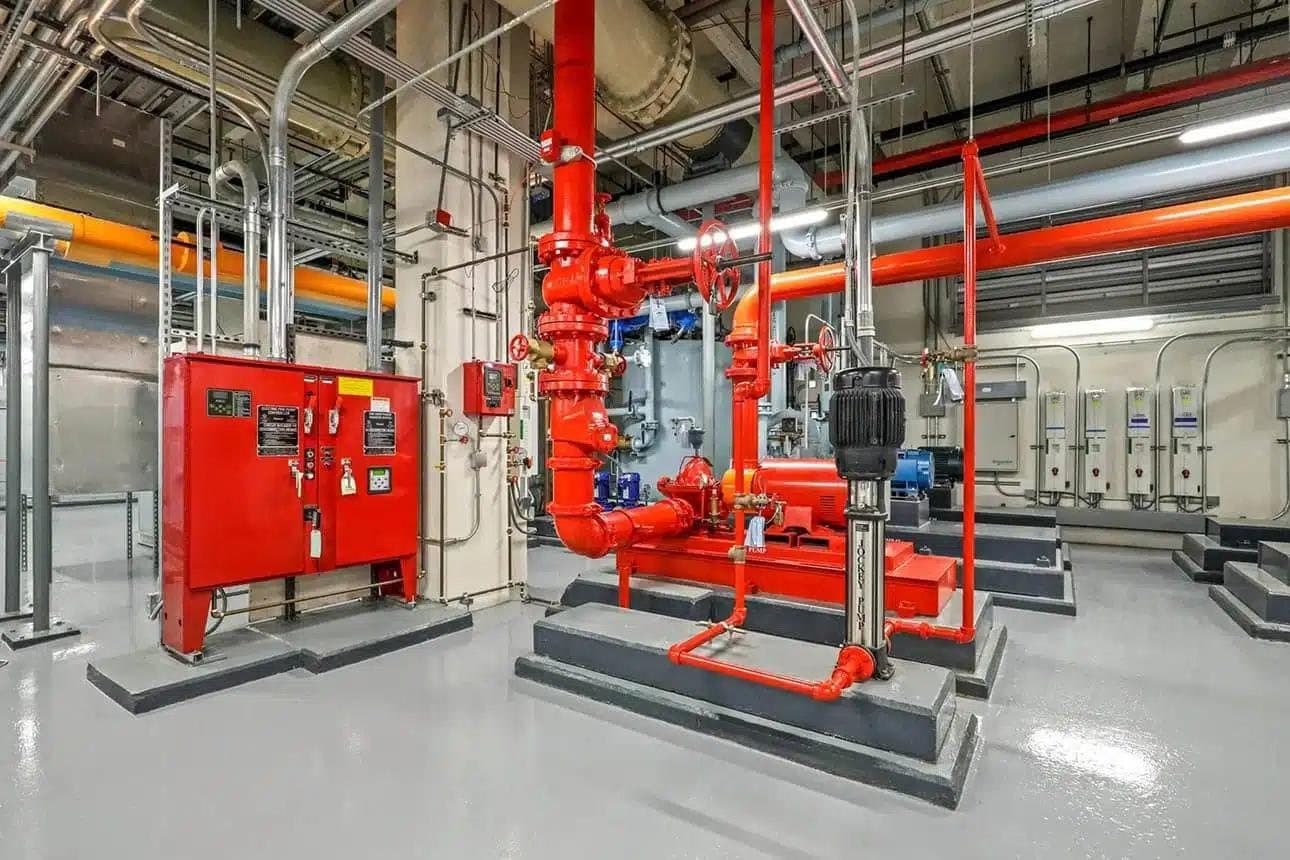
A fire hydrant system delivers pressurised water to firefighting points inside and around a building. Its components work as one system.
Main components
- Water source (reservoir/tank): a dedicated firefighting water reserve.
- Pump room: usually a jockey pump (maintains system pressure), an electric main pump, and often a diesel pump as backup during power loss.
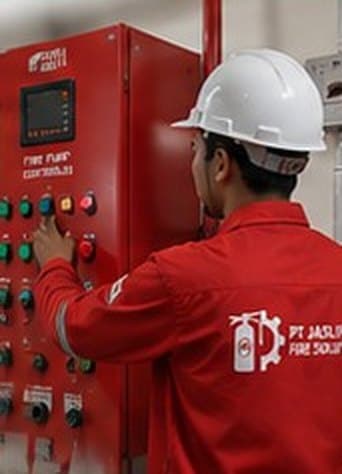
- Pump control panel: starts pumps automatically on pressure drop.
- Piping and valves: carry water to every outlet.
- Hydrant boxes / hose reels: indoors, holding hose and nozzle.
- Hydrant pillars: in the yard, for larger hose lines.
- Siamese connection: inlet for fire brigade appliances to boost supply.
How it works, briefly
Opening a hydrant valve drops network pressure. The jockey pump tries to restore it; if the drop continues, the main pump starts automatically and supplies high-pressure water.
Why maintenance matters
A small leak, a seized valve or a panel left out of auto mode can make the system fail exactly when it is needed. Regular pump function tests and pipe network checks are essential.
Need help with your fire protection system?